
Gary State Bank
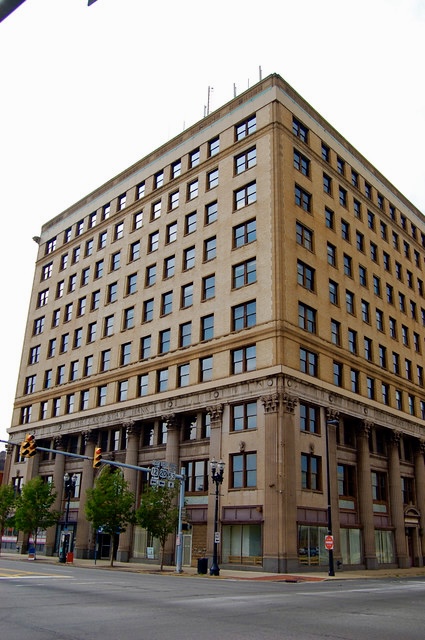
Gary State Bank, established in 1909 as a two-level building, played a pivotal role in the economic development of Gary, Indiana. Founded during the city’s industrial boom, the bank provided essential financial services to the growing population, which included a significant number of immigrants and African American workers drawn by the promise of employment in the steel industry. The bank’s early years were marked by a focus on supporting local businesses and residents, facilitating home loans, and contributing to the burgeoning economy of Gary. As the city expanded, Gary State Bank was razed in 1925 to make room for a new high-rise building. In 1927, the 10 story Gary State Bank was completed and became a central financial institution for Gary and all of Northwest Indiana, aiding in the construction of infrastructure and the development of residential neighborhoods.
Throughout its history, Gary State Bank weathered various economic challenges, including the Great Depression and the decline of the steel industry, which profoundly affected the city. Despite these challenges, the bank remained a cornerstone of the community, adapting its services to meet the changing needs of its customers. In the later part of the 20th century, the bank’s role evolved as it became involved in revitalization efforts, supporting small businesses and community initiatives aimed at addressing the economic downturn in Gary. Today, Gary State Bank is remembered as a vital institution that not only contributed to the city’s growth during its peak but also supported its residents through challenging times.